
Category: Articles

Breaking Down Fluency Gates for MS Math Kids

When math interventionist Juliana Tapper was forced to teach grade-level content, her MS kids “moved from apathy to hope,” and she had a revelation. When we provide access, structural support, and the right fluency practice, we stop being gatekeepers and become gatebreakers.
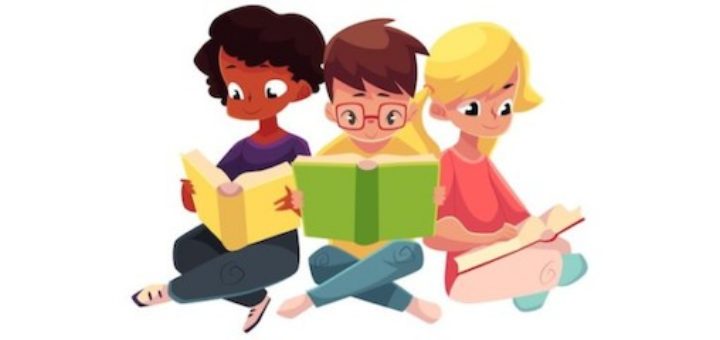

Why Children’s Books Matter in a Digital World

Children’s books offer a much-needed escape from our digital culture. Centering on British author Katherine Rundell, Elaine Griffin looks into how young readers not only find fantasy, magic, and mischief but also discover the building blocks of character, curiosity, and courage.

4 Simple Strategies for Student Self-Assessment

As a part of a teacher’s overall classroom assessment, we want students to ask themselves questions. Encouraging students to assess themselves adds some extra rigor to the learning process and helps grow an important life skill. Barbara Blackburn shares four simple strategies.

Why Kids Need to Talk in Math Class

Kids don’t learn math by listening to us solve problems. They learn math by talking about how THEY solve problems. Author and math educator Mona Iehl shares how to implement three shifts: providing more student talk time, anticipating student approaches, and creating predictable routines.

Reigniting the Magic of Reading Physical Books

Once Harry Potter ruled the reading realm. Students lined up to devour each new physical 300+ page title. Then came the tech shift. The instant gratification of video games, apps and texting. The “it’s too long for kids” narrative. Kathie Palmieri has a plan to turn the clock back.

How AI Has Modernized the Student Study Guide

Teacher Scott Silver-Bonito is using an AI bot to create student study guides and build AI study spaces that are interactive, informative, and responsive, taking the burden off the teacher to continually create study materials and review every student response. See his example!

Teacher Think-Alouds Boost Reading Skills

Educators can build children’s love of listening to stories and improve students’ reading skills by transforming teacher read-alouds into an instructional tool, writes literacy leader Laura Robb. Here she demonstrates how “think-alouds” make visible what good readers do.

How Do We Respond to Toxic Staff Members?

One of the biggest challenges facing school leaders is pushback from teachers and staff that goes beyond the kind of disagreement that can be resolved through civil discourse and compromise. Consultants Ron Williamson and Barbara Blackburn share tips for managing toxic staff.