Teaching and learning in grades 4-8
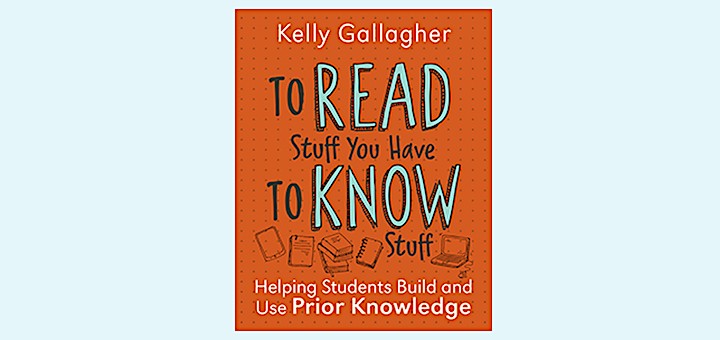
Using personal anecdotes, educational research, and practical strategies, Kelly Gallagher offers both a call to action and a guide for educators invested in students’ literacy development as he explores the connection between background knowledge and reading comprehension.
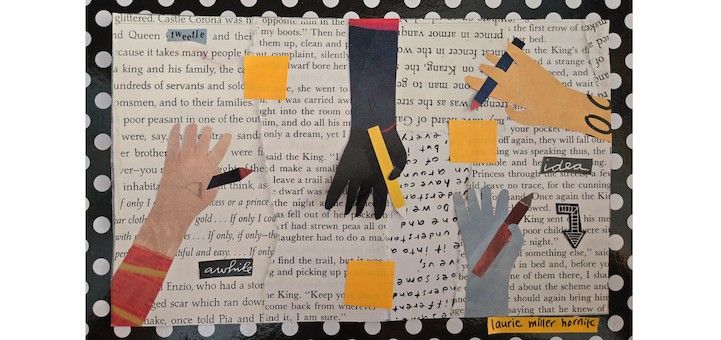
Whether they’re annotating for current engagement or as preparation for discussion and writing assignments, students benefit from knowing the purpose of their notes. Seventh grade teacher Laurie Miller Hornik shares steps to help students understand the power of annotation.
After her close study of insights from three leading math educators, Kathleen Palmieri took “a deep dive into what I had been doing in my classroom and flipped the stage to create a Thinking Classroom for my students.” See examples of how she’s moved from theories to practice.
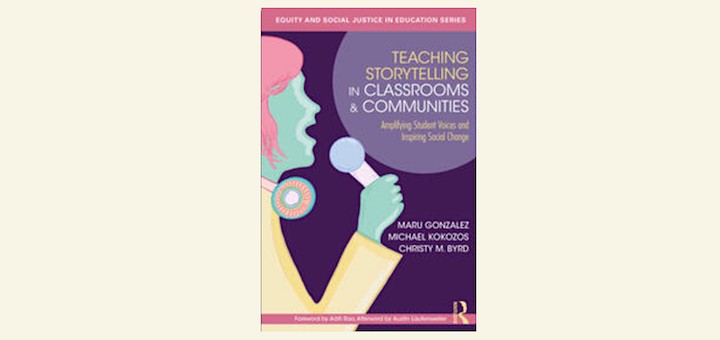
Teaching Storytelling in Classrooms and Communities calls on educators to trust in the power of student narratives and to create learning environments where stories become a launching pad for critical reflection, social change, and community-building, writes Melinda Stewart.
Brief reflections every day can help you build your resilience skills, write Carol Moehrle and Gail Boushey. They suggest a practice concentrating on balance, calm, adaptability, happiness, and joy to quietly change how you experience everything teaching asks of you.
Across classrooms, it is increasingly common to see students skim instead of read, search instead of think, and move quickly through text without following how ideas connect. This is not simply a motivation issue. It’s a cognitive one. Veteran educator Holly Durham has a cure.
Mona Iehl provides a practical framework to ignite math learning for elementary students, says fifth grade teacher Kathie Palmieri. Iehl’s book offers a structured, daily routine that makes word problems less scary and builds confidence, connections, and wonder in each session.
What AI has done in its teacher assistant role this year has been transformative for teacher leader Katie Durkin. It’s helped her save time by generating ideas for formative assessments, giving her more time to provide students personal feedback – “a feat for any English teacher.”
Thanks to her “joyful” journey from traditional to competency-based grading, teacher and instructional coach Stephanie Farley has seen not only more growth of skill among her students but also increased competence, “which increases confidence, which increases resilience.”
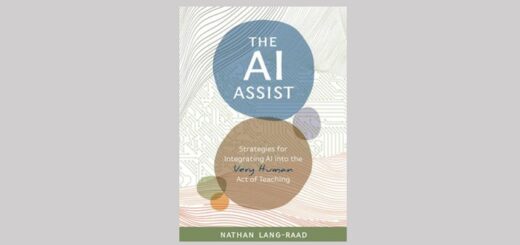
The AI Assist by Nathan Lang-Raad offers a solid starting point for using artificial intelligence in the classroom, writes teacher Ralph Covino. Raad emphasizes the need to keep the human teacher at the center of instruction and includes a framework and useful guiding questions.