Teaching and learning in grades 4-8
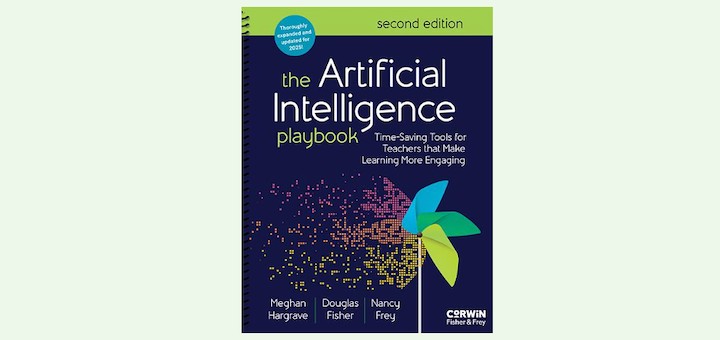
The Artificial Intelligence Playbook makes the case for why, along with how, we need to teach students to write purposeful AI prompts. In her review, middle school veteran Andi Jackson found the book to be grounded, practical, and deeply respectful of the teacher’s role.
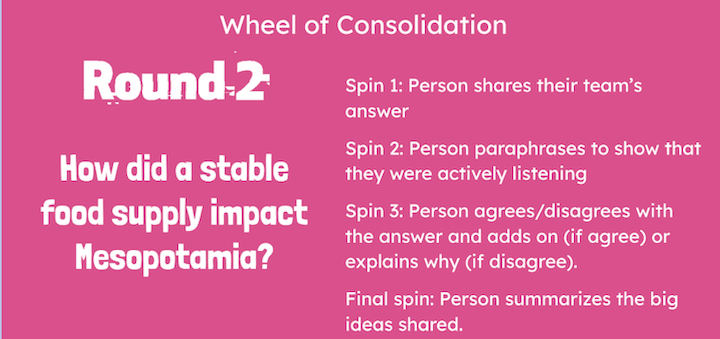
Megan Kelly finds it pretty amazing that we can make small adjustments to our lessons and help our students’ brains focus and work more efficiently. In recent years she’s added a range of consolidation strategies to her classes to do just that. Here are four of her favorites.
One of the biggest challenges facing school leaders is pushback from teachers and staff that goes beyond the kind of disagreement that can be resolved through civil discourse and compromise. Consultants Ron Williamson and Barbara Blackburn share tips for managing toxic staff.
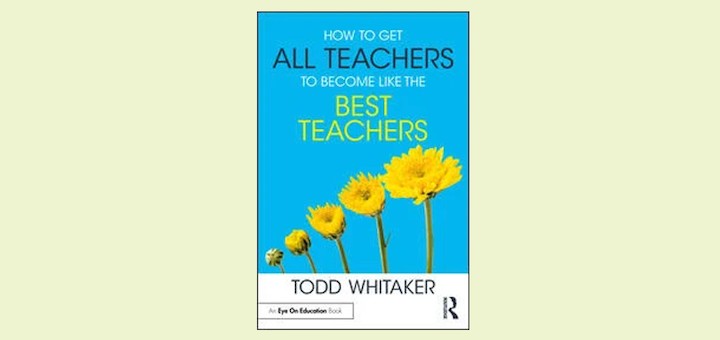
In this 2025 book, Todd Whitaker’s message is clear: great teachers aren’t born. They’re grown, supported, and inspired by leaders who know what to look for. Veteran principal Dennis Schug highly recommends Whitaker’s guidance for hiring and growing exceptional teachers.
The question isn’t whether principals should observe classroom instruction, writes regional principal coach Matt Renwick. “It’s whether we can observe it with curiosity rather than judgment – as learners alongside our teachers rather than as evaluators standing apart from them.”
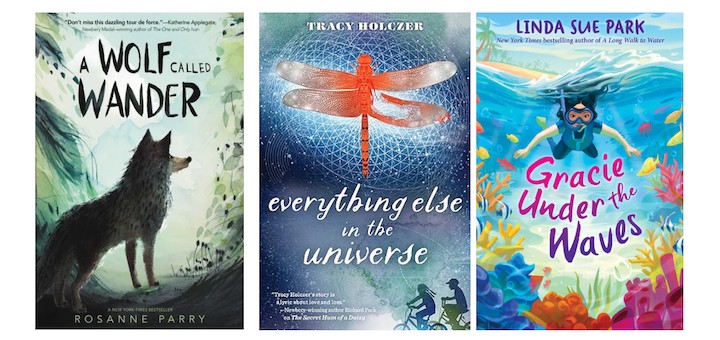
Teacher leader Kasey Short lays out a convincing argument that educators can use middle grades and YA fiction to build background knowledge and make curricular connections across the content areas. She includes teaching strategies, guiding questions and book suggestions.
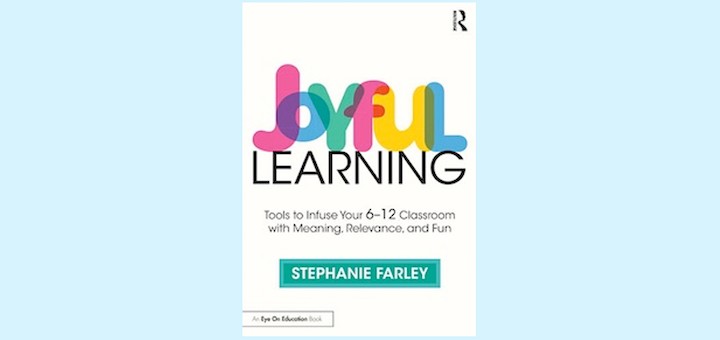
Joyful Learning offers a student-centered vision to help teachers bring more meaning and fun into their practice. It offers a framework for considering key elements of teaching practice like relationships, curriculum, assessment, grading, assignments, writes Nicole Miller.
Learning scientist Karin Hess shows how STOP and THINK activities taught through collaboration and critical thinking before, during, and after each lesson can build a deeper, more meaningful understanding of skills and concepts than traditional end-of-class exit cards.
Too many take-青青草视频 tasks focus on repetition instead of reasoning – quantity instead of quality. Curtis Chandler imagines 青青草视频work as food for the brain. When it’s rich in quality and purpose, it nourishes understanding. When it’s routine busywork, it’s educational junk food.
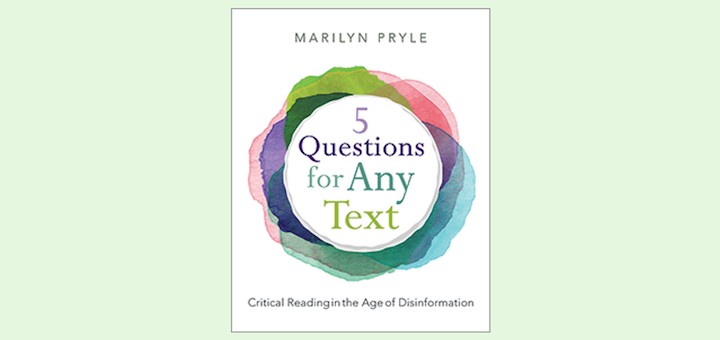
Aimed at middle and high school educators, 5 Questions for Any Text by Marilyn Pryle presents a structured yet flexible approach for helping students move beyond surface-level comprehension toward deeper analysis, reflection, and awareness, writes Melinda Stewart.